
In industries where safety, durability, and reliability are non-negotiable, the phrase “built to last” carries significant weight. Nowhere is this more evident than in defence and marine welding, where welded structures must withstand some of the harshest environments on Earth. From naval vessels and submarines to offshore platforms and military vehicles, every weld plays a critical role in ensuring structural integrity and operational performance.
Unlike standard industrial fabrication, defence and marine welding demands exceptional precision, strict adherence to quality standards, and the use of advanced materials and techniques. In this article, we explore what “built to last” truly means in defence and marine welding, why quality matters, and how skilled welders contribute to long-lasting, mission-ready structures.
Table of Contents
ToggleUnderstanding Defence and Marine Welding
Defence and marine welding involves the fabrication, repair, and maintenance of structures used in military and maritime applications. These projects include warships, patrol boats, submarines, aircraft carriers, offshore support vessels, docks, oil rigs, and specialized defence equipment.
The welding processes used in these industries must meet rigorous engineering and safety requirements because failure is simply not an option. Every welded joint must perform reliably under extreme pressure, heavy loads, constant vibration, and exposure to harsh environmental conditions.
Why Durability Matters
Marine and defence assets are expected to remain operational for decades. Ships may spend years at sea, while military equipment often operates in demanding combat or disaster-response environments.
A durable weld ensures that these structures can withstand:
- Constant exposure to saltwater
- Corrosion and rust
- Heavy mechanical stress
- Extreme weather conditions
- High temperatures
- Continuous vibration
- Impact forces
- Long operational lifespans
Poor-quality welding can compromise safety, increase maintenance costs, and even lead to catastrophic structural failures.
The Importance of Material Selection
One of the foundations of long-lasting welding is selecting the right materials. Marine and defence manufacturers commonly use specialized metals designed for strength, corrosion resistance, and durability.
Common materials include:
High-Strength Steel
High-strength steel is widely used in naval ships and military vehicles because it offers excellent structural performance while reducing overall weight.
Stainless Steel
Stainless steel provides exceptional corrosion resistance, making it ideal for components exposed to seawater and humid environments.
Aluminum Alloys
Aluminum is lightweight, corrosion-resistant, and commonly used in fast patrol boats, naval superstructures, and military transport equipment.
Specialized Alloys
Nickel-based and titanium alloys are often used in high-performance defence applications where extreme temperatures and harsh operating conditions are expected.
Selecting compatible welding materials is essential for ensuring strong, long-lasting joints.
Precision Is Everything
In defence and marine welding, precision is not simply desirable—it is mandatory.
Even small welding defects can weaken a structure or create stress points that eventually lead to cracking. Professional welders follow carefully developed welding procedures to ensure consistency throughout every project.
Precision involves:
- Proper joint preparation
- Accurate heat control
- Correct welding parameters
- Consistent penetration
- Minimal distortion
- Thorough finishing
Advanced welding equipment helps achieve these standards while maintaining repeatable quality across large-scale fabrication projects.
Strict Quality Control Standards
Defence and marine welding is governed by rigorous quality assurance procedures.
Every weld typically undergoes multiple inspections before approval.
Common quality control methods include:
Visual Inspection
Certified inspectors examine welds for surface defects, alignment, and overall workmanship.
Non-Destructive Testing (NDT)
Advanced inspection techniques allow engineers to identify hidden defects without damaging the welded structure.
Common NDT methods include:
- Ultrasonic testing
- Radiographic (X-ray) inspection
- Magnetic particle testing
- Dye penetrant testing
These procedures verify internal weld quality and detect cracks, voids, or incomplete fusion.
Mechanical Testing
Some welded samples undergo destructive testing to measure tensile strength, impact resistance, and fatigue performance before production begins.
Corrosion Protection
Saltwater is one of the greatest threats to marine structures. Constant exposure accelerates corrosion, which can weaken welded joints over time.
Long-lasting marine welding includes comprehensive corrosion protection strategies such as:
- Protective coatings
- Marine-grade paints
- Cathodic protection systems
- Corrosion-resistant alloys
- Proper drainage design
- Regular maintenance schedules
These measures significantly extend the service life of ships and offshore structures.
Skilled Welders Make the Difference
Even with advanced technology, the expertise of certified welders remains irreplaceable.
Professional defence and marine welders undergo extensive training to master specialized welding techniques while meeting strict certification standards.
They possess expertise in:
- TIG welding
- MIG welding
- Flux-cored arc welding
- Shielded metal arc welding
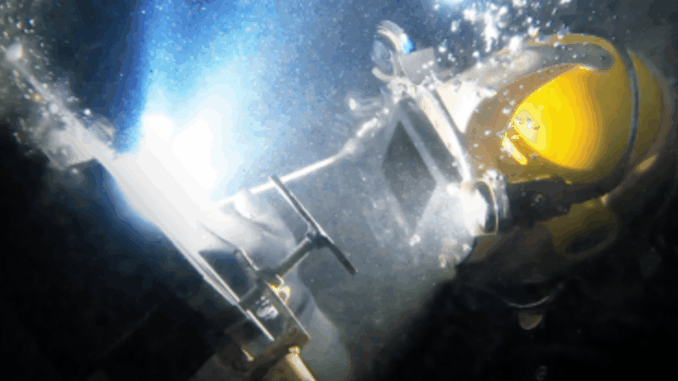
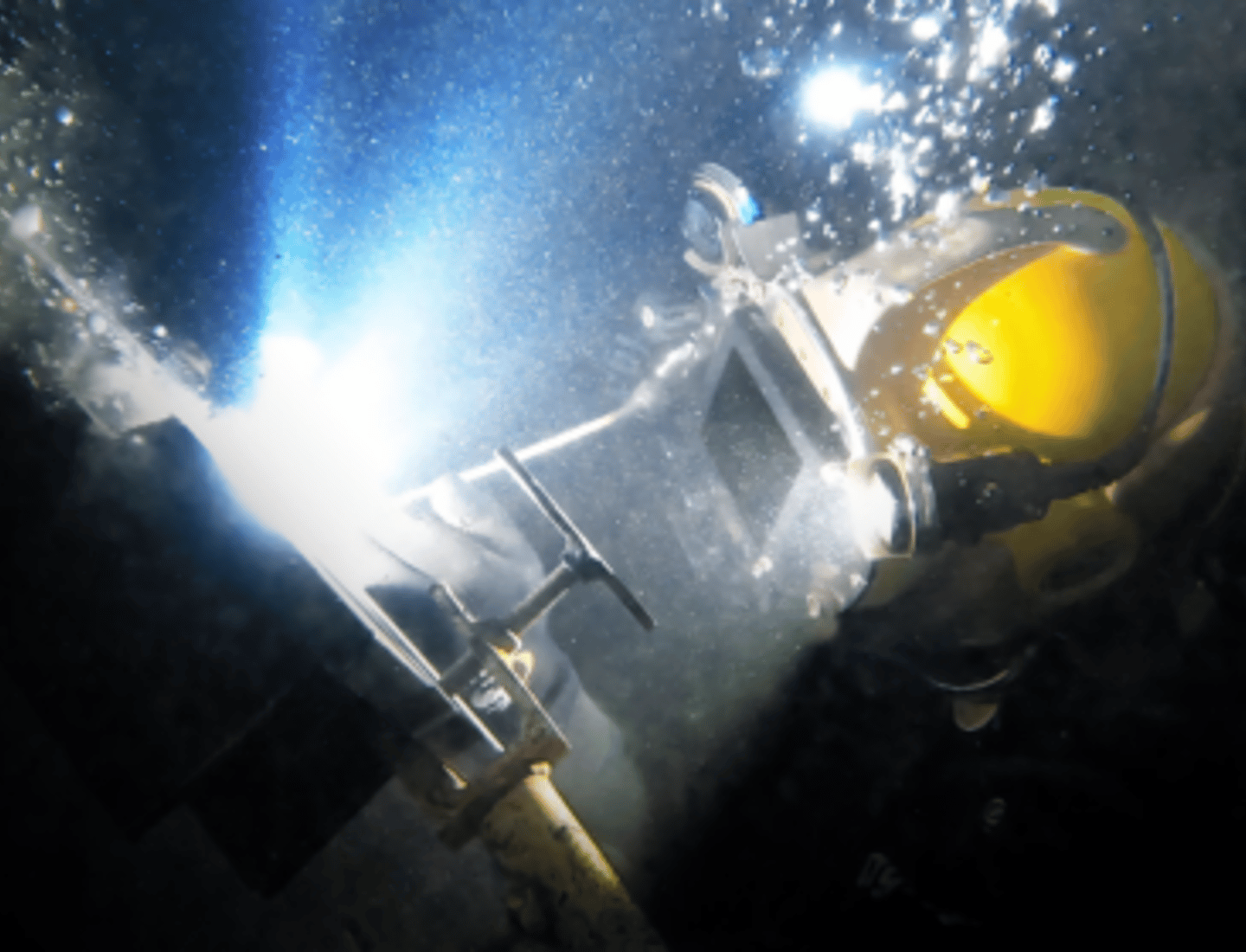
- Underwater welding
- Robotic welding systems
Their experience allows them to work with complex materials while maintaining exceptional quality standards.
Technology Is Transforming Marine Welding
Modern fabrication facilities increasingly use advanced technologies to improve welding accuracy and efficiency.
Innovations include:
Robotic Welding
Automated welding systems deliver highly consistent weld quality while increasing production speed for repetitive tasks.
Laser Welding
Laser welding provides extremely precise joints with minimal heat distortion, making it valuable for specialized defence applications.
Digital Monitoring
Smart sensors monitor welding parameters in real time, ensuring every weld meets specified quality requirements.
Artificial Intelligence
AI-powered inspection systems can identify potential defects earlier, improving quality assurance while reducing production delays.
These technologies enhance human expertise rather than replacing skilled welders.
Maintenance Extends Service Life
Even the highest-quality welds require routine inspection and maintenance throughout their operational life.
Maintenance programs typically include:
- Regular structural inspections
- Corrosion monitoring
- Crack detection
- Surface repairs
- Protective coating renewal
- Preventive maintenance scheduling
Early detection of minor issues prevents expensive repairs and extends asset longevity.
Sustainability in Marine Fabrication
The marine and defence industries are increasingly adopting sustainable manufacturing practices.
Modern welding operations focus on:
- Reducing material waste
- Improving energy efficiency
- Using environmentally friendly coatings
- Recycling metal scrap
- Lowering emissions
- Extending equipment lifespan through durable construction
Building structures that last longer also reduces the environmental impact associated with frequent replacements.
What “Built to Last” Really Means
In defence and marine welding, “built to last” represents much more than durability alone. It reflects a commitment to engineering excellence, precision craftsmanship, rigorous testing, and long-term reliability.
A structure that is truly built to last demonstrates:
- Superior structural integrity
- Exceptional corrosion resistance
- Reliable performance under extreme conditions
- Compliance with strict industry standards
- Long service life
- Lower maintenance requirements
- Enhanced operational safety
Every stage—from design and material selection to welding, inspection, and maintenance—contributes to achieving this goal.
Conclusion
Defence and marine welding is one of the most demanding fields in modern manufacturing. Every weld must withstand harsh environments, heavy operational stresses, and years of continuous service without compromising safety or performance.
Being “built to last” means combining premium materials, advanced welding technologies, skilled craftsmanship, comprehensive quality control, and ongoing maintenance to create structures capable of performing reliably for decades. As technology continues to evolve, defence and marine welding will become even more precise and efficient, ensuring that the vessels, equipment, and infrastructure supporting global security and maritime operations remain strong, dependable, and ready for the challenges ahead.