
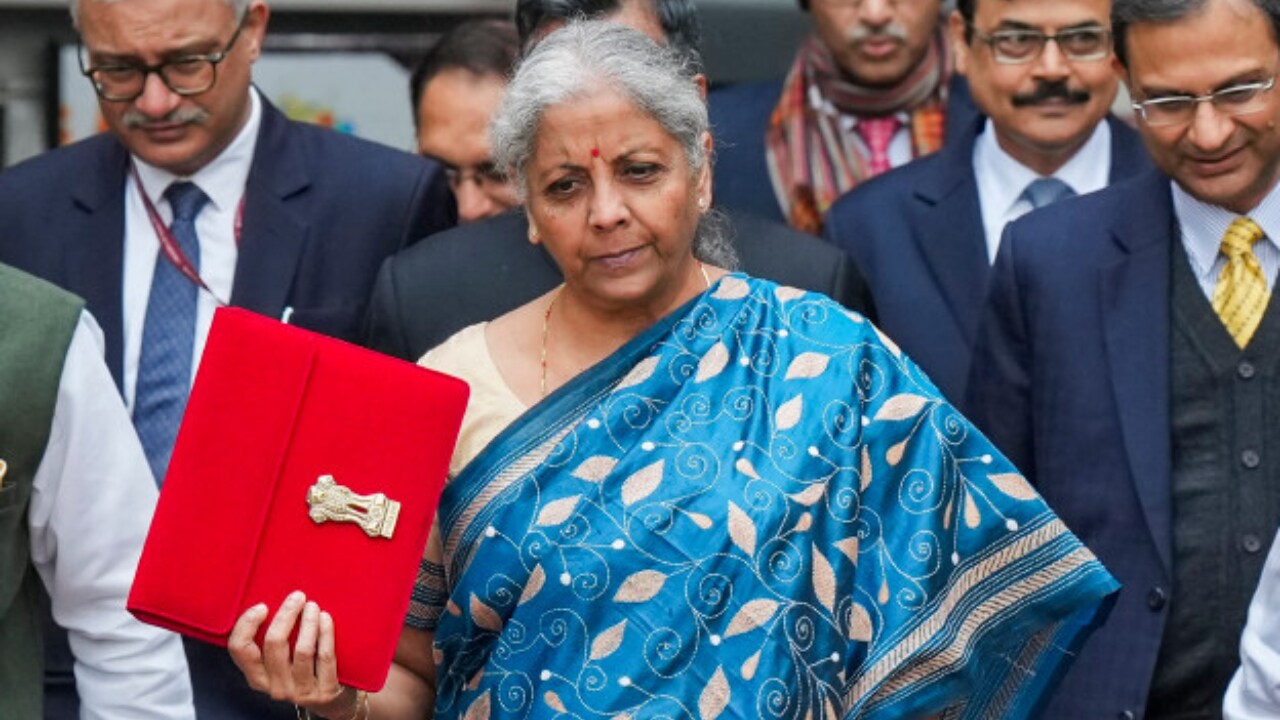
India’s Finance Minister Nirmala Sitharaman is set to present the Union Budget on February 1 at 11 a.m. This will mark her ninth consecutive Budget presentation—placing her just one step away from the record held by former Finance Minister Morarji Desai, who presented the Budget ten times.
While pre-Budget expectations and announcements usually dominate headlines, far fewer people stop to ask a quieter but important question: how is the Union Budget actually prepared? The answer involves months of planning, consultations, and coordination across multiple levels of government.
Here’s a clear, step-by-step look at how the Union Budget comes together each year.
How the Union Budget Is Prepared
Broadly, the Budget process unfolds in two parallel tracks:
-
The administrative process, where estimates and proposals are prepared through consultations with ministries and stakeholders
-
The legislative process, where the Budget is debated, amended, and passed by Parliament
Together, these steps ensure both technical accuracy and democratic scrutiny.
Step-by-Step Budget Preparation Process
1. Issue of the Budget Circular
The process officially begins around September with the release of the Budget Circular by the Finance Ministry. For Budget 2026, this circular was issued in the last week of August.
The circular serves as a roadmap for ministries and departments, guiding them on how to prepare:
-
Revised estimates for the current financial year
-
Budget estimates for the upcoming financial year
It also specifies formats, statements, and instructions for projecting receipts and expenditures.
2. Submission of Budget Proposals
Based on the circular, each ministry and department prepares its estimates and submits them as a Provisional Statement of Budget Estimates (SBE). These are sent in hard copy to the relevant sections of the Budget Division within the Ministry of Finance.
3. Pre-Budget Meetings and Expenditure Review
The Budget Division then prepares detailed briefs for pre-Budget meetings, where expenditure proposals are examined closely. Discussions focus on:
-
Past spending trends
-
Unspent balances
-
Status of approvals for schemes and projects
-
Justification for new or increased allocations
These meetings are chaired by the Expenditure Secretary and involve senior officials from the concerned ministries.
4. Intensive Consultations (October–January)
From October through January, the process intensifies. This phase includes:
-
Processing and reconciliation of actual expenditure figures
-
Sharing updated data with ministries and departments
-
Meetings between the Finance Minister and stakeholders such as industry groups, trade bodies, and associations
-
Submission of final SBEs by ministries
-
Drafting and refining proposals for the Finance Bill
5. Finalisation of the Budget Speech
In the final week of January, attention shifts to the Finance Minister’s Budget Speech. During this stage:
-
The Budget Speech is finalised
-
The Prime Minister’s approval is sought for the “Summary for the President”
-
The President’s recommendations are obtained under Articles 112, 115, and 117 (Part V) of the Constitution of India, which outline parliamentary financial procedures
6. Cabinet Briefing and Budget Presentation
On the morning of February 1, the Finance Minister briefs the Union Cabinet on the Budget’s key highlights and the Finance Bill.
Shortly after this briefing, the Budget is formally presented in the Lok Sabha, along with the Finance Minister’s speech.
7. Parliamentary Discussion and Approval
Following the presentation:
-
The Ministry of Parliamentary Affairs schedules Budget discussions in both the Lok Sabha and the Rajya Sabha
-
At this stage, debates focus on overall policy direction, taxation proposals, and major schemes rather than line-by-line scrutiny
-
The Finance Minister responds to points raised during the discussions
The Finance Bill is then considered and passed—usually by the third or fourth week of March—after incorporating amendments recommended by the President.
Can the Public Influence the Budget?
Yes—and this is a relatively recent development.
Since 2015, the government has invited public suggestions to make the Budget-making process more transparent and participatory. The stated aim is to treat citizens as partners in shaping fiscal priorities.
For Budget 2026, the Finance Ministry invited public inputs between December 17, 2025, and January 16, 2026, allowing individuals, organisations, and experts to share their ideas and concerns.
Final Takeaway
The Union Budget isn’t drafted overnight. It’s the outcome of months of structured planning, inter-ministerial coordination, political consultation, and constitutional procedure. From the first Budget Circular to parliamentary approval, every step is designed to balance fiscal discipline, policy priorities, and democratic accountability.
Understanding this process helps demystify what often feels like a single-day event—but is, in reality, one of the most elaborate exercises in public governance each year.