
Cities around the world are under growing pressure. Rapid urbanization is stretching infrastructure to its limits, making everyday operations—from managing traffic to coordinating emergency services—far more complex than ever before.
One of the biggest hurdles isn’t just scale—it’s fragmentation. Data is often scattered across disconnected systems, government processes operate in silos, and legacy infrastructure makes it difficult to extract real-time insights. Without a unified view, city leaders struggle to make fast, informed decisions.
To tackle this, forward-thinking cities are turning to advanced AI frameworks like the NVIDIA Blueprint for smart city AI. This reference architecture offers a complete software ecosystem for building, testing, and deploying AI agents within simulation-ready digital environments known as “SimReady” digital twins.
At the heart of this transformation is OpenUSD, an open and flexible framework that connects every step of the physical AI pipeline. These OpenUSD-powered digital twins allow cities to simulate real-world conditions, test “what-if” scenarios, and generate highly accurate synthetic sensor data—all before deploying solutions in the real world.
Table of Contents
ToggleA Smarter Workflow for Smarter Cities
The system operates through a streamlined three-step process:
- Simulation: Using NVIDIA Omniverse tools and the Cosmos platform, cities create realistic environments and generate synthetic datasets.
- Training: Vision AI models are trained and fine-tuned using this data.
- Deployment: AI agents powered by NVIDIA Metropolis and video search and summarization (VSS) tools analyze real-time video streams and deliver actionable insights.
This workflow shifts cities from reactive problem-solving to proactive, data-driven management.
By integrating data from weather systems, traffic sensors, and emergency services into a unified platform, cities can test rare scenarios, monitor conditions in real time, and optimize infrastructure planning—all with greater precision.
Real-World Impact Across the Globe
The impact of AI-driven digital twins is already visible in cities worldwide:
- Kaohsiung City, Taiwan: Street-level AI systems have reduced incident response times by up to 80% by detecting issues like fallen trees or damaged streetlights without manual inspections.
- Raleigh, North Carolina: Advanced computer vision systems have achieved 95% vehicle detection accuracy, improving traffic analysis and planning.
- France’s Rail Network: Digital twin simulations have helped cut energy consumption by 20%, while improving maintenance efficiency and reducing downtime.
Smart City Innovations in Action
Akila & SNCF Gares & Connexions
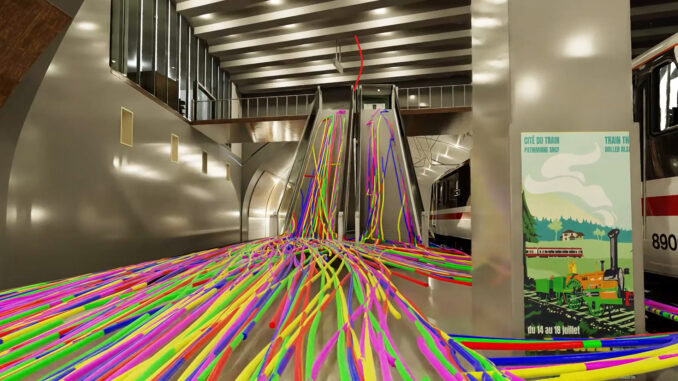
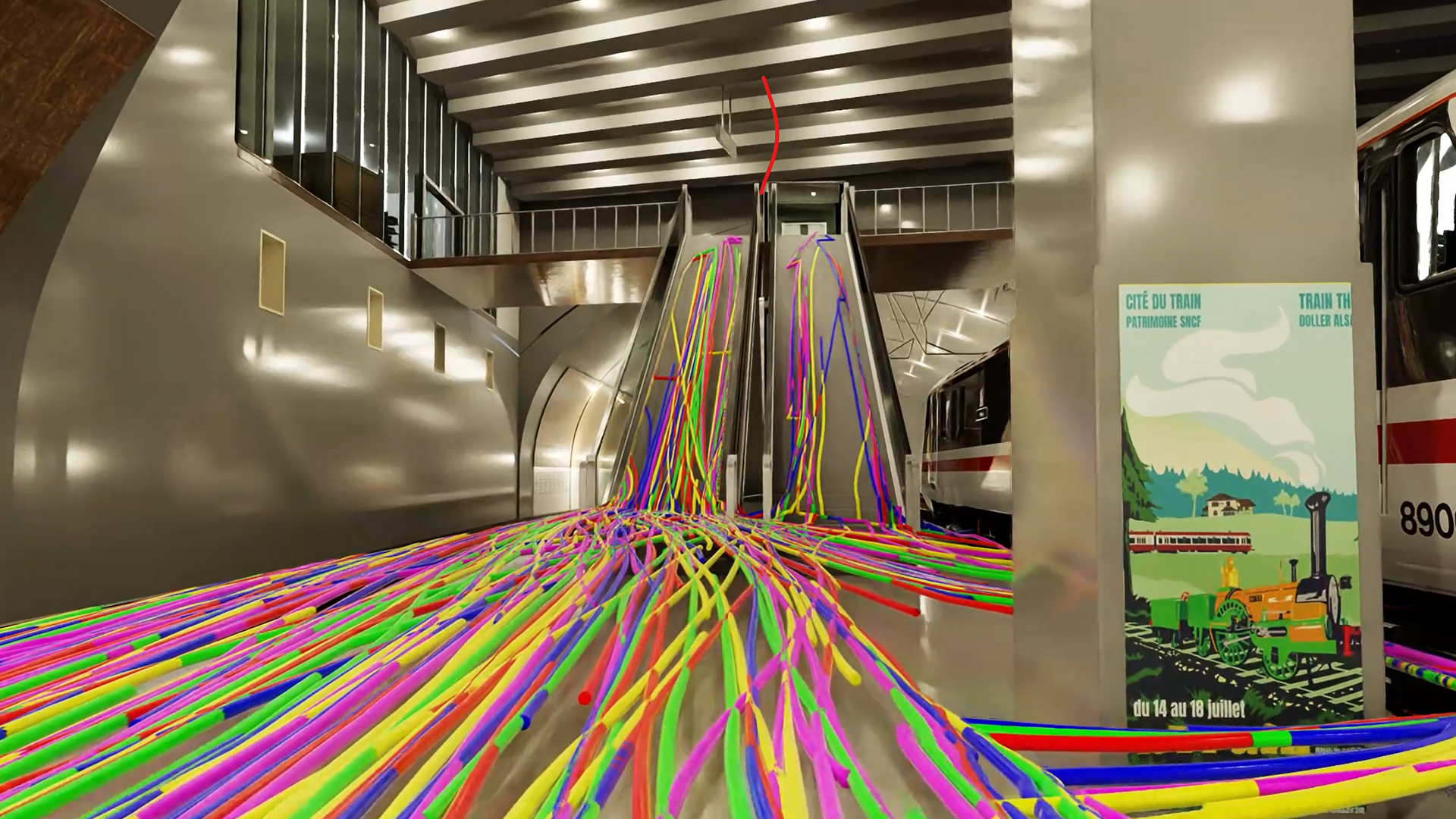
Akila’s digital twin platform is transforming French rail operations by enabling real-time scenario planning for airflow, solar heating, and crowd movement. The results include lower energy usage, perfect preventive maintenance scheduling, and significantly reduced system downtime.
Linker Vision’s Street Intelligence
In Taiwan, Linker Vision’s AI identifies infrastructure issues instantly, removing the need for manual inspections and accelerating emergency responses. By leveraging simulation tools and OpenUSD, the system is designed to scale across multiple cities.
Esri & Microsoft in Raleigh
Raleigh’s smart city ecosystem combines geospatial intelligence from ArcGIS with AI-powered video analytics. The result is a highly accurate, real-time digital twin that supports smarter infrastructure planning and operational visibility through the cloud.
Milestone Systems’ Hafnia VLM
Milestone is introducing a powerful video language model that automates video review, cutting operator fatigue by up to 30%. By filtering false alarms and summarizing events, it makes large-scale surveillance far more efficient.
K2K’s Video Intelligence in Italy
In Palermo, K2K’s platform processes over 1,000 video streams and billions of events annually. It uses natural language queries to alert officials about critical situations, turning massive data flows into meaningful, real-time insights.
The Future of Urban Management
Smart cities are no longer a distant vision—they’re actively evolving through the integration of AI, simulation, and digital twins. By combining these technologies, cities can anticipate challenges, optimize resources, and deliver better services to citizens.
As adoption grows, the shift toward intelligent, proactive urban systems will define how cities operate in the years ahead—making them not just smarter, but more resilient, efficient, and responsive.