
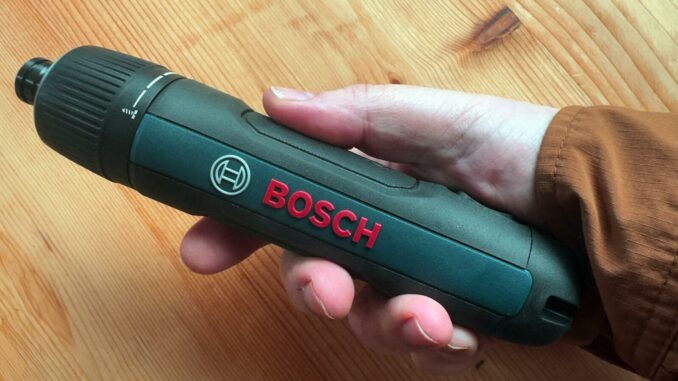

Mini electric screwdrivers have become essential tools for people who regularly repair electronics, assemble small devices, or handle delicate DIY projects. Unlike traditional manual screwdrivers, these compact power tools use a motor to drive screws quickly and consistently, reducing hand fatigue and making precision work more convenient.
From repairing smartphones and laptops to assembling eyeglasses, toys, cameras, and small household gadgets, the right mini electric screwdriver can save time and effort. However, not every model offers the same level of precision, battery life, torque control, or build quality.
Choosing the best option requires more than comparing prices and accessories. Performance, usability, reliability, and safety all matter, particularly when working with delicate electronic components. In this guide, we explore the features to consider when choosing a mini electric screwdriver, how laboratory-style testing can evaluate performance, and what makes a model suitable for different users.
What Is a Mini Electric Screwdriver?
A mini electric screwdriver is a compact, battery-powered tool designed to drive and remove small screws. It typically includes a rechargeable battery, a motor, a bit holder, and a collection of interchangeable screwdriver bits.
Many models are designed for precision applications rather than heavy-duty construction. Their small size makes them particularly useful for electronics repair, hobby projects, and delicate assembly work.
Some mini electric screwdrivers include adjustable torque settings, built-in LED lights, magnetic bit holders, USB-C charging, and carrying cases. More advanced models may also offer digital displays or interchangeable handles.
Although these tools are convenient, they are not intended to replace full-sized electric screwdrivers or impact drivers when dealing with large fasteners and demanding construction tasks.
How CG Lab Testing Can Identify the Best Mini Electric Screwdrivers
Laboratory testing can help distinguish genuinely useful tools from products that simply advertise impressive specifications. A comprehensive evaluation should examine measurable performance alongside practical usability.
The exact results depend on the models tested and the laboratory’s methodology. Without verified test data for specific products, it would be misleading to claim that a particular screwdriver has achieved the highest score.
Several important testing criteria can help identify the best options.
1. Torque Performance
Torque describes the rotational force a screwdriver applies to a fastener. Mini electric screwdrivers generally provide relatively low torque because they are designed for small screws and delicate components.
A useful test measures whether the tool delivers consistent torque at different settings and whether its output is appropriate for its intended applications.
Excessive torque can strip screw heads, damage plastic threads, or harm electronic components. Therefore, the highest torque rating does not automatically make a screwdriver the best choice.
2. Battery Life and Charging
Battery performance determines how long a screwdriver can operate before needing to recharge. Testing can measure the number of screws driven under standardized conditions, operating time, and charging duration.
Rechargeable models are convenient for regular use, particularly when they support USB-C charging. However, battery capacity alone does not guarantee longer working time because motor efficiency and torque demands also affect consumption.
A good model should provide sufficient runtime for its intended tasks and clearly communicate its charging requirements.
3. Precision and Control
Precision is one of the most important qualities in a mini electric screwdriver. Small screws often require careful handling, especially when working with laptops, phones, cameras, and other sensitive equipment.
A well-designed tool should start smoothly, operate predictably, and allow the user to stop without applying excessive force.
Adjustable torque settings and a manual operating mode can improve control. Some screwdrivers also offer reverse operation, allowing users to remove screws conveniently.
4. Bit Quality and Compatibility
Interchangeable bits determine which fasteners a screwdriver can handle. Common types include Phillips, flathead, Torx, and hex bits.
Testing should consider bit durability, dimensional accuracy, fit, and resistance to wear. Poorly manufactured bits can slip, damage screw heads, and make repairs more difficult.
A comprehensive kit may include specialized bits for electronics, but users should prioritize quality and compatibility over the total number of accessories.
5. Ergonomics and Ease of Use
A mini electric screwdriver should be comfortable to hold and easy to control. Important design considerations include weight, handle shape, button placement, balance, and grip texture.
Some models resemble thick pens, while others use a cylindrical handle or offer a removable manual screwdriver section.
Testing should also consider whether the controls are intuitive, whether the tool can reach screws in confined spaces, and whether its size makes precision work easier.
Important Features to Look for in the Best Mini Electric Screwdrivers
When comparing models, pay attention to the features that genuinely improve the repair experience.
Adjustable Torque Settings
Adjustable torque helps users match the tool’s output to the fastener and material. This is particularly useful for plastic housings and delicate electronics.
If you frequently repair expensive devices, prioritize a model with suitable low-torque settings and predictable control.
LED Work Light
Small screws can be difficult to see inside electronic devices or poorly lit workspaces. An integrated LED light illuminates the work area and can improve visibility during repairs.
The light is especially useful when working inside compact enclosures.
Rechargeable Battery
A rechargeable battery reduces the need to replace disposable batteries. Check the battery capacity, charging connector, charging time, and expected runtime before purchasing.
For occasional home use, moderate battery life may be sufficient. Professionals who complete numerous repairs each day may benefit from a longer-lasting battery.
Comprehensive Bit Set
A suitable bit collection expands the number of repairs a screwdriver can handle. Look for commonly used precision bits and verify that they match the screws found in your equipment.
A magnetic storage case can help prevent bits from becoming lost or mixed together.
Compact Storage Case
A well-organized case protects the screwdriver and its accessories during storage and transportation. It also makes it easier to locate the correct bit quickly.
A compact case is particularly valuable for technicians who travel between repair locations.
Best Mini Electric Screwdriver Types for Different Users
Different users need different combinations of power, precision, and convenience.
Best for Electronics Repair
People repairing laptops, smartphones, game controllers, and cameras should prioritize low-torque control, a comprehensive precision bit set, and a comfortable grip.
A screwdriver designed specifically for electronics repair is generally more suitable than a high-powered general-purpose model.
Best for DIY Projects
For assembling small furniture accessories, toys, hobby equipment, and household gadgets, a versatile rechargeable screwdriver can provide a useful balance of power and convenience.
Look for simple controls, reliable battery performance, and bits that cover the fasteners you encounter most often.
Best for Professional Technicians
Technicians who perform repairs regularly may benefit from consistent torque delivery, durable bits, convenient charging, and an ergonomic design.
Professional buyers should also consider warranty coverage, replacement accessories, and long-term reliability rather than focusing exclusively on the initial purchase price.
Best for Occasional Home Use
If you only need a screwdriver for occasional repairs, an affordable model with basic torque control, a rechargeable battery, and essential bits may be sufficient.
There is little reason to pay for advanced displays or extensive accessories if your projects involve only a limited range of screws.
How to Use a Mini Electric Screwdriver Safely
Even a small electric screwdriver can damage components when used incorrectly. Following a few precautions can help protect both the tool and the device being repaired.
- Select the correct bit for the screw head.
- Start with a low torque setting when working with delicate materials.
- Keep the screwdriver aligned with the screw to reduce slipping.
- Avoid forcing the motor when a screw becomes stuck.
- Disconnect electronic devices from power before beginning repairs, and follow appropriate battery-handling precautions.
- Use a manual screwdriver when greater sensitivity or control is required.
- Follow the manufacturer’s instructions for charging, storage, and maintenance.
For electronics repair, remember that some components can retain dangerous electrical energy even after a device has been disconnected. High-voltage equipment and damaged lithium-ion batteries require appropriate training and precautions.
Are Mini Electric Screwdrivers Worth Buying?
For people who frequently work with small fasteners, mini electric screwdrivers can be a worthwhile investment. They reduce repetitive hand movements, speed up routine tasks, and make small repairs more convenient.
However, the benefits depend on selecting the right model. A screwdriver with excessive torque may be unsuitable for delicate electronics, while a model with limited battery life may frustrate users who perform repairs throughout the day.
Before buying, identify the devices you plan to repair, the types of screws involved, and how frequently you will use the tool. Compare torque control, battery performance, bit quality, ergonomics, and warranty coverage.
Conclusion
The best mini electric screwdrivers combine precision, reliable performance, comfortable handling, and practical features. Laboratory-style testing can help evaluate torque consistency, battery endurance, bit durability, and ease of use, making it easier to compare products based on evidence rather than marketing claims.
For electronics enthusiasts, precision and low-torque control should be priorities. DIY users may prefer versatility and convenience, while professional technicians should focus on durability and consistent performance.
Ultimately, the right mini electric screwdriver is not necessarily the most powerful or expensive model. It is the one that matches your repair needs, provides dependable control, and makes detailed work easier without putting delicate components at unnecessary risk.